Common and Not-So-Common Valentine’s Day Toxicities 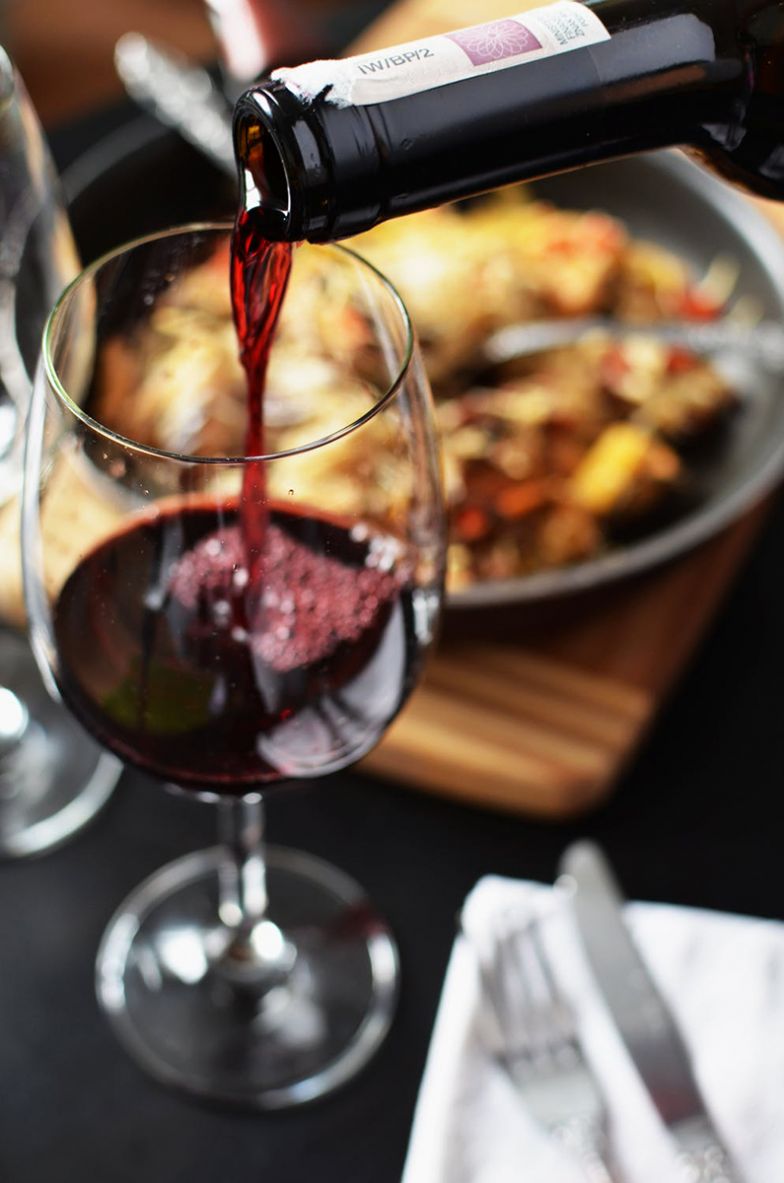 While chocolate and flowers are traditionally considered romantic Valentine’s Day traditions, pets who nibble on their owner’s gifts definitely won’t be feeling the love. The ASPCA Animal Poison Control Center has gathered a list of common and not-so-common Valentine’s Day toxicities to help you provide the best possible care to your patients. ChocolateGet ready for the next wave of chocolate cases, since Valentine’s Day is a biggie! Often chocolates contain additional fillings which increase the risk of pancreatitis but may limit the amount of actual chocolate ingested. While not common, keep an eye out for raisins and xylitol in chocolate. FlowersRoses are certainly the iconic flower of Valentine’s day, but mixed bouquets are also common. Unfortunately, lilies that can cause acute kidney injury in cats (Lillium sp. or Hemorcallis sp.) are commonly used in mixed bouquets. Don’t trust the affected pet’s owner to identify flowers in the bouquet—instead, request a picture or have the owner call the store/company where the flowers were purchased and get a list of what was in the bouquet. And if you’re not good at identifying flowers, there are many apps and websites with pictures of common flowers used in bouquets. MarijuanaWith the legalization of medical and recreational marijuana in many states, marijuana exposure in animals is on the rise. Marijuana is also found in products that pets may be more interested in: chocolates, baked goods or even lotions are becoming common. Onion & GarlicA rich, romantic meal for two sounds like the perfect idea for Valentine’s Day, at least until a pet jumps on the counter and starts eating the diced onion. While one bite may not be a problem, in cats 5 g/kg or more and in dogs 15 g/kg or more of onions has resultant in clinically significant hematologic changes. AlcoholWhat goes better with a good meal than a glass of wine? Problems can occur, however, when a glass is left accessible and the pet laps it up. While the grapes in wine have not proven to be an issue for dogs, the alcohol certainly could cause problems for them. GumGum containing xylitol may be a good bad-breath cure, but it’s also one of the most common sources of xylitol toxicity for dogs. To add to the confusion, the amount of xylitol in different brands of gum can vary widely—and it’s found in many other products as well. PerfumeNo one wants to smell bad for the big date, but when the little Chihuahua licks her owner’s skin after a recent application, is there reason for concern? Perfumes are primarily composed of essential oils and alcohols which in small amounts may cause the pet to wonder what it was they just tasted, but not likely much more. Personal lubricantIt goes without saying that some dogs will eat anything. While most of the time lubricants only pose a risk for gastrointestinal upset particularly diarrhea, there are a few products with xylitol, so always doublecheck the label. credit: ASPCA
0 Comments
Leave a Reply. |
AuthorWrite something about yourself. No need to be fancy, just an overview. Archives
July 2024
Categories |

- Home
-
Pets
- All Cats and Kittens (click to View All)
- Success Stories Mid 2018-Mid 2019 >
- Success Stories Mid 2019 – April 2020
- Success Stories May 2020 – January 2021
- Success Stories February 2021 - December 2021
- Success Stories January 2022 - February 2023
- Success Stories March 2023 - Forward
- Foster Program
- Adoption Info
- Adoption Fees
- Pet Surrender Information / Please Review Carefully
- Finding a Low Cost Spay / Neuter Program
- About
- News
- Tour
- The Dream
- Events
- Donate
- Contact
- Store
- Saving Lives of Those Cats Who Are Out of Time
 RSS Feed
Physical Location: 1164 US Hwy 258-N Snow Hill, NC 28580
Beare Garden Animal Rescue is a NC licensed Animal Shelter and Non - Profit Charitable Organization with 501(c)3 status. Our FEIN is 85-1574125.
Copyright © 2021 Beare Garden Animal Rescue Center. All rights reserved.
Beare Garden Animal Rescue is a NC licensed Animal Shelter and Non - Profit Charitable Organization with 501(c)3 status. Our FEIN is 85-1574125.
Copyright © 2021 Beare Garden Animal Rescue Center. All rights reserved.