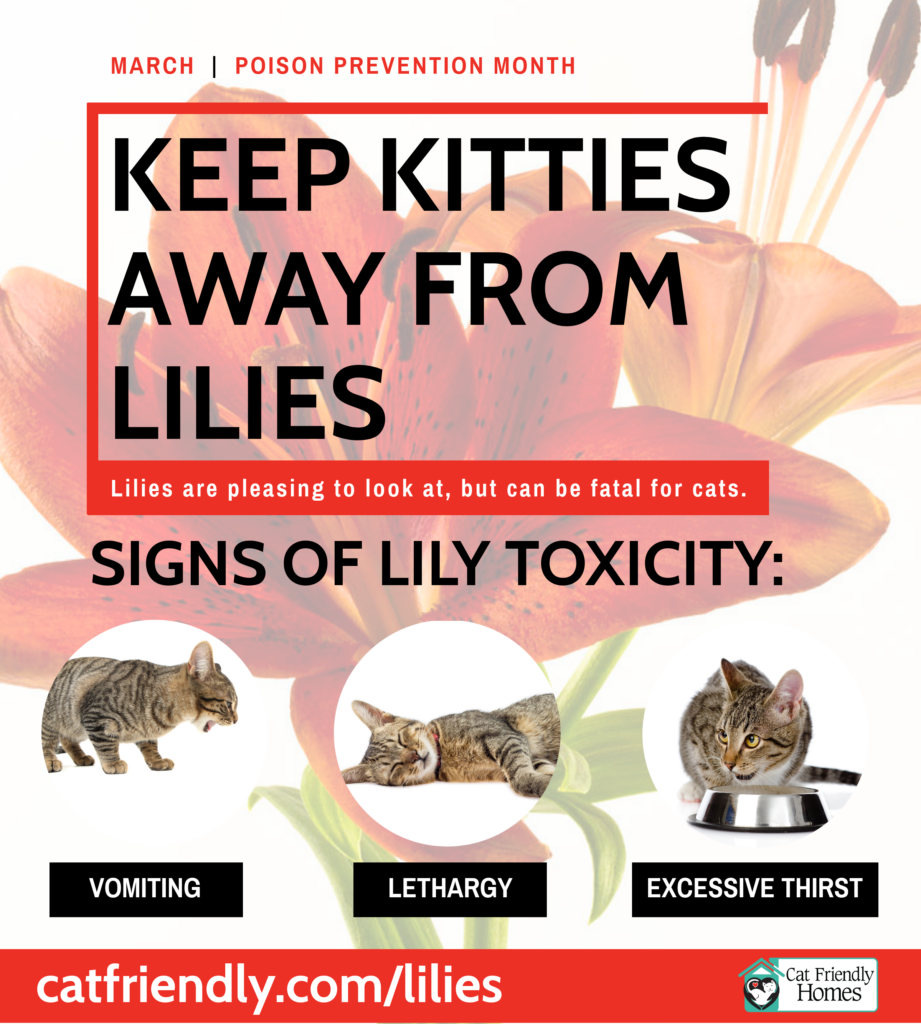
 Top Household Hazards for CatsYour cat is curious, sticking his nose into random places. But his exploration may expose him to some not-so-obvious dangers in your home. It just takes a bit of time and know-how to “cat-proof” your house so your kitty stays healthy and safe. Human MedicinesSome human over-the-counter and prescription medicines pose serious threats to cats, so keep them in a place he can’t get into, including:
You may have heard that some common medicines work for people and cats. Never give your pet any pills without first talking to your vet, though — it’s easy to give him the wrong medicine or too much, which can kill him. Human FoodsYour kitty may beg when you sit down to eat (or try to steal some bites when you’re not looking), but some human foods can be poisonous for him, including:
Indoor and Outdoor PlantsCommon houseplants — and a few others that you may bring into your home — can be hazardous to your cat’s health, including the following:
Insecticides and Other ChemicalsSome chemicals taste especially good to cats. To keep him safe, keep any chemicals locked away, especially:
More Household HazardsWatch out for common household items that can choke or strangle your cat. Some may even block his intestines if he swallows them.
If Your Cat’s Been PoisonedEvery moment matters if you think your cat has been exposed to something toxic. Call your vet. Post the clinic’s phone number in an obvious place, along with the number for the Animal Poison Control Center: (888) 426-4435. They can help you know what to do next. Collect samples. Take samples of vomit, stool, and the poison your cat ate to the vet with your cat. Watch for symptoms. Often, cats will show these signs right away. But some symptoms can show up more gradually. Signs to watch for include:
Educate. After your cat recovers, call your poison control center or humane society to let them know what happened, so they can track problem poisons and help prevent harm to other animals. WebMD Veterinary Reference Reviewed by Amy Flowers, DVM on February 03, 2019 Sources © 2019 WebMD, LLC. All rights reserved.
0 Comments
Leave a Reply. |
AuthorWrite something about yourself. No need to be fancy, just an overview. Archives
July 2024
Categories |

- Home
-
Pets
- All Cats and Kittens (click to View All)
- Success Stories Mid 2018-Mid 2019 >
- Success Stories Mid 2019 – April 2020
- Success Stories May 2020 – January 2021
- Success Stories February 2021 - December 2021
- Success Stories January 2022 - February 2023
- Success Stories March 2023 - Forward
- Foster Program
- Adoption Info
- Adoption Fees
- Pet Surrender Information / Please Review Carefully
- Finding a Low Cost Spay / Neuter Program
- About
- News
- Tour
- The Dream
- Events
- Donate
- Contact
- Store
- Saving Lives of Those Cats Who Are Out of Time
 RSS Feed
Physical Location: 1164 US Hwy 258-N Snow Hill, NC 28580
Beare Garden Animal Rescue is a NC licensed Animal Shelter and Non - Profit Charitable Organization with 501(c)3 status. Our FEIN is 85-1574125.
Copyright © 2021 Beare Garden Animal Rescue Center. All rights reserved.
Beare Garden Animal Rescue is a NC licensed Animal Shelter and Non - Profit Charitable Organization with 501(c)3 status. Our FEIN is 85-1574125.
Copyright © 2021 Beare Garden Animal Rescue Center. All rights reserved.